










In dozing operations on soft, wet ground, the first problem encountered is often not insufficient power but machine sinking, track slip, incomplete blade loads, and difficult steering. The operational goal can be summarized as: on ground with low bearing capacity, push earth or bulk material steadily to the designated location without repeated stoppages caused by getting stuck. Site constraints include surface moisture content, soft soil layer thickness, track sinkage, haul distance, and material properties. As these conditions vary, the choice of version within the same series will also vary. The SD16 series offers multiple versions—standard, super-wetland, extended, and coal—which can serve as a reference for discussing configuration differences, but the final choice must still be based on specific site conditions.
First, identify which conflicts are amplified on soft, wet ground
On dry, hard ground, a bulldozer's tractive force is transmitted mainly through friction between the tracks and the ground; on soft, wet ground, ground pressure becomes the more fundamental variable. The heavier the machine and the smaller the track contact area, the greater the pressure per unit area and the higher the risk of sinking. After sinking, soil berms form in front of the tracks, running resistance increases, dozing efficiency drops, and steering becomes more difficult. Therefore, soft, wet dozing cannot be judged by horsepower alone; ground pressure, track shoe width, track ground contact length, and overall machine weight must also be considered together.
In addition, excessive blade penetration on soft ground further increases resistance, and whether blade width and height match the material also affects the volume moved per pass. If the material is mud, soft soil, or high-moisture bulk material, it tends to adhere to the blade, and the dozing rhythm is completely different from that on dry soil. Only after breaking down these conflicts can version selection be based on evidence.
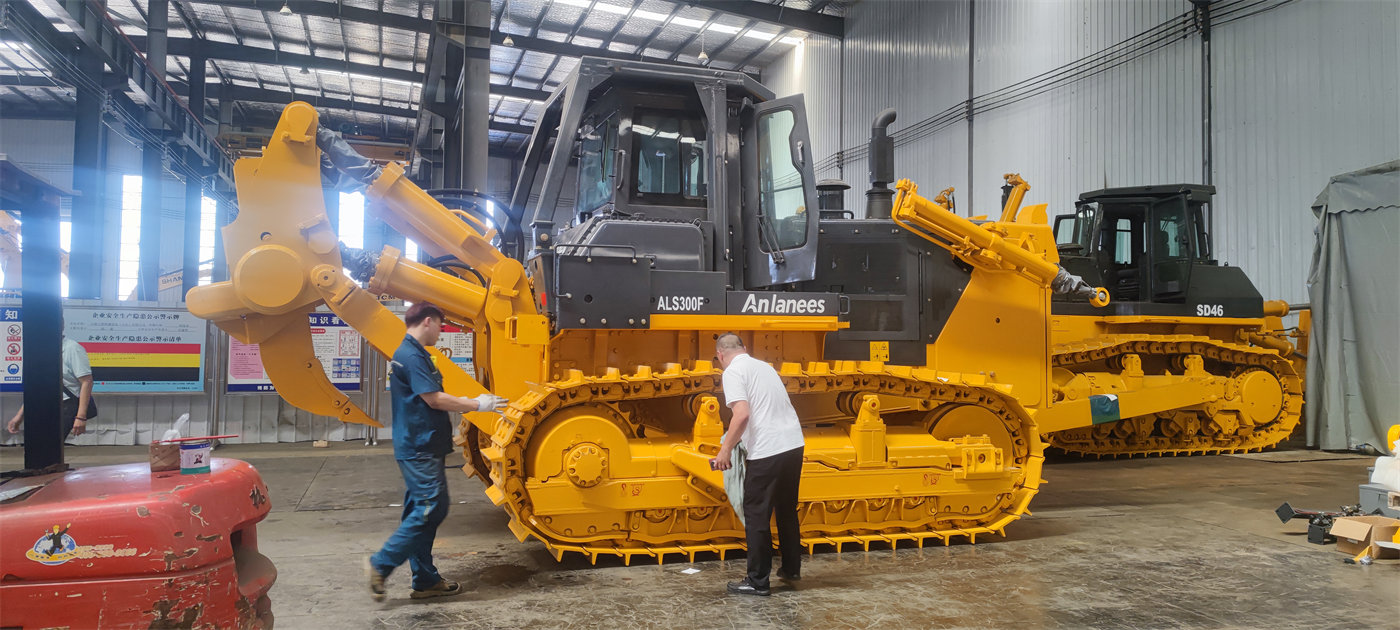
Positioning differences among SD16 series versions in soft-ground dozing
According to the product information on this site, multiple versions of the SD16 series share the WP10 engine, with rated power of 131 kW (178 hp), rated speed of 1850 rpm, fuel tank capacity of 315 L, and working hydraulic oil tank capacity of 112 L. The differences are mainly in overall machine weight, ground pressure, track shoe width, and blade configuration.
| Version | Overall weight | Ground pressure | Track shoe width |
|---|---|---|---|
| SD16 standard version | 17000 kg | 58 kPa | 510 mm |
| SD16C coal version | 17500 kg | 55 kPa | 510 mm |
| SD16B extended version | 17100 kg | Not listed in the data | 510 mm |
| SD16L super-wetland version | 16900 kg | 22 kPa | 960 mm |
The direction of trade-offs indicated by this data set is clear. The standard version has a ground pressure of 58 kPa and is suitable for general earthmoving and sites with acceptable bearing conditions; the super-wetland version reduces ground pressure to 22 kPa through 960 mm wide track shoes, while its overall weight is slightly lower than the standard version, indicating that reducing pressure per unit area is its primary design objective, making it suitable for working conditions such as swamps, soft wetlands, and river improvement. The extended version adjusts the body structure based on the standard version; its overall weight is listed as 17100 kg, but ground pressure is not listed, so its performance on soft ground cannot be judged directly and must be confirmed with the supplier.
The boundaries of the super-wetland version are not limited to track width
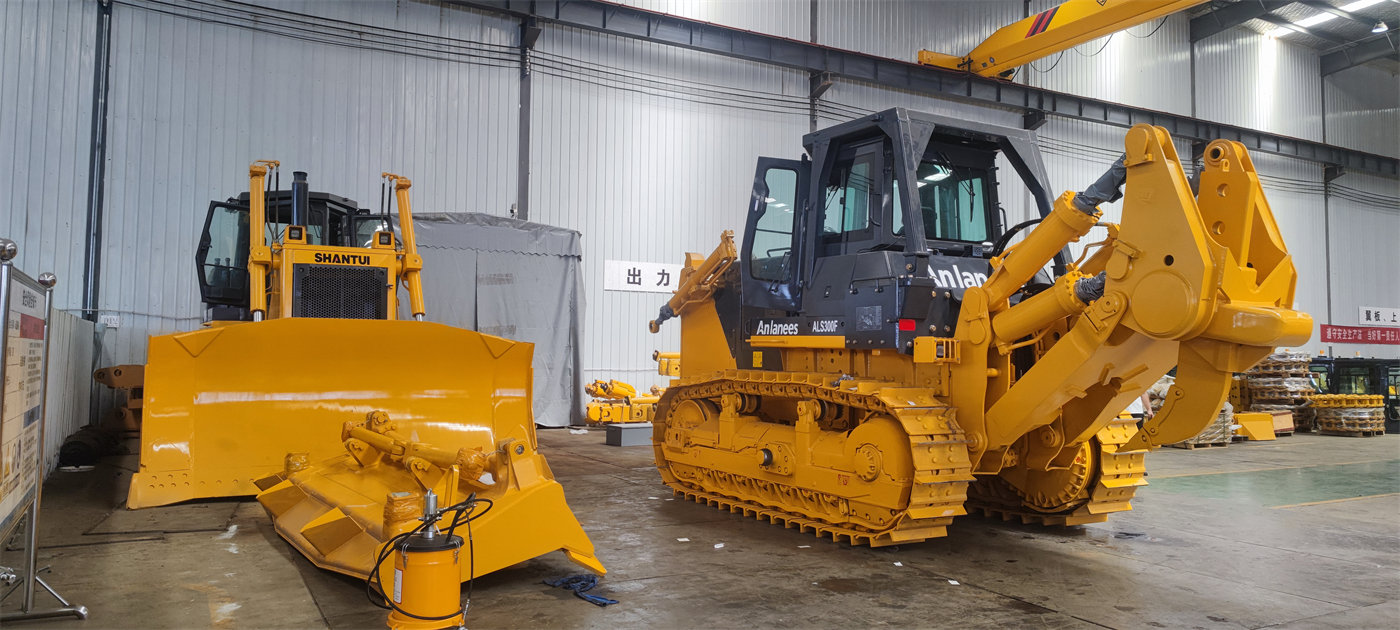
The SD16L data also gives a straight blade width of 4150 mm, blade height of 1245 mm, blade depth of 482 mm, lift height of 985 mm, and 41 single-grouser track shoes. Compared with the standard version's straight blade width of 3455 mm, height of 1149 mm, and blade depth of 540 mm, the super-wetland version's blade is wider and taller, but its blade depth is slightly shallower. This combination corresponds to the logic of soft-ground operation: on ground with low bearing capacity, the resistance caused by excessive penetration may outweigh the benefit, and a wide blade is more oriented toward pushing material away as a whole rather than digging deep. However, this judgment can only serve as an explanation of configuration direction; actual results still need to be confirmed in light of material and moisture content.
Why the coal version and extended version cannot be directly treated as wetland solutions
The SD16C coal version has an overall weight of 17500 kg, ground pressure of 55 kPa, track shoe width still 510 mm, and a coal blade with a width of 4150 mm and height of 960 mm. Its documented positioning is for bulk material handling and stockyard operations at power plants, ports, and similar sites, and the blade form serves the dozing of loose materials. Compared with the super-wetland version's ground pressure of 22 kPa, the coal version has not made undercarriage-level adjustments for soft ground, so on soft, wet sites it should not be used as a wetland configuration merely because its blade is wider.
The SD16B extended version documentation emphasizes its suitability for medium-distance continuous earthmoving and grading at general engineering sites, with an overall weight of 17100 kg and track shoe width of 510 mm; ground pressure is not listed. Based on the available data, it does not have an extra-wide track configuration, so it is closer to an extended adjustment for standard earthmoving scenarios rather than a dedicated soft-ground solution. If the site is only locally wet and soft with a long haul distance, it can be included in the comparison, but ground pressure and actual sinkage should still be verified first.
Translate site conditions into configuration items that need confirmation
Selecting equipment for soft, wet ground dozing is essentially converting several site measurements into equipment conditions. The following checklist is arranged in order of confirmation, not as fixed steps, and can be adjusted according to the completeness of project data.
- Surface bearing capacity and soft soil layer thickness: whether the ground can support machine travel and whether it easily causes sinking are prerequisites for judging whether a version with ultra-low ground pressure is needed.
- Target ground pressure value: in the data, the SD16 standard version is 58 kPa and the super-wetland version is 22 kPa, which can be compared with the allowable site value; however, the allowable site value must be provided by a qualified party and is not given in this article.
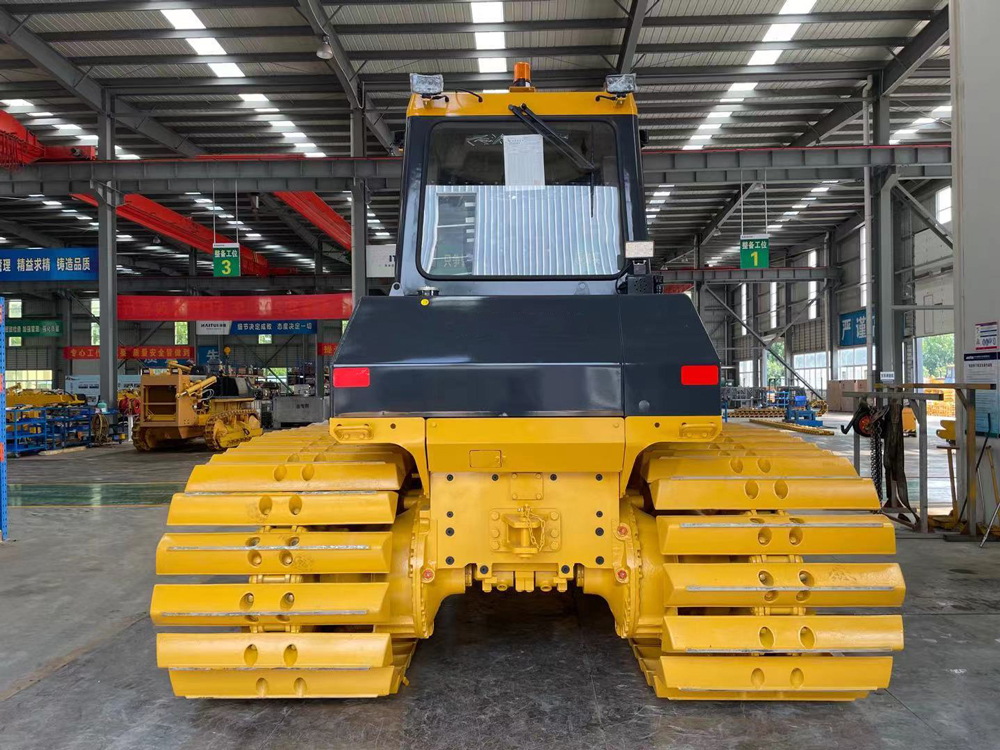
- Track shoe width and ground contact length: the super-wetland version's 960 mm wide track shoes correspond to lower pressure per unit area, but they also affect transport width and turning radius, so they must be checked together with access road conditions.
- Blade type and width: straight blades, angle blades, U-blades, and coal blades differ in dozing and penetration capability; whether wide, shallow cutting is suitable on soft ground must be judged in light of material moisture content and haul distance.
- Transport and relocation conditions: the super-wetland version's overall dimensions are 5262×4150×3074 mm, and its width is significantly greater than the standard version's 3455 mm, so whether highway transport and on-site passages are adequate must be confirmed in advance.
- Attachment matching: the data lists a three-shank ripper with a lift height of 570 mm, suitable for breaking clay, frozen soil, and similar materials; whether to add it depends on material hardness, and it may not be necessary on soft, wet sites.
Which situations still require further confirmation
The available data does not cover actual traction performance, sinkage depth, fuel consumption, or operating efficiency on soft, wet ground, so it cannot be used to conclude that a particular version will definitely be more suitable at a specific site. The ground pressure of the SD16B extended version is not listed, and it is not appropriate to substitute data from other versions in the same series for inference. If the site is in an area with seasonal water level changes, or if the soft soil layer thickness is uneven, it is recommended to supplement geological data before selection and confirm the corresponding version's undercarriage configuration, blade form, and transport dimensions with the supplier.
The core of version selection for soft, wet ground dozing is not to choose the highest horsepower, but to match ground pressure, track configuration, and blade form to the site's bearing capacity and material properties. The SD16 series provides multiple configuration directions from standard to super-wetland; among them, the super-wetland version's 22 kPa ground pressure and 960 mm track shoe width are the features in the data that most directly correspond to soft-ground needs. However, whether to adopt it ultimately still depends on site-verified data and configuration information confirmed by the supplier.